SANTO DOMINGO. – The educational system in the Dominican Republic stands on the verge of a profound structural transformation. Under the premise that classroom inclusion should not be viewed as an act of charity, but rather as an obligation of the State, the draft bill for the Inclusive Education Law is advancing in the National Congress.
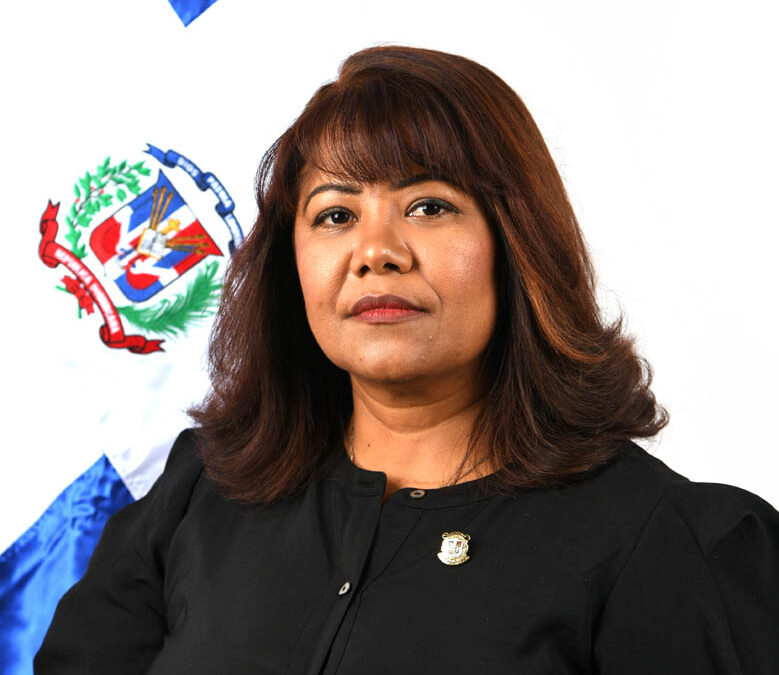
The initiative, formally promoted and proposed by the representative for the San José de Ocoa province, Yalis Soto Mordan, primarily aims to guarantee that all individuals, regardless of their physical, cognitive, or psychosocial condition, receive quality education under equal conditions, grounded in respect for diversity and the development of human potential.
“Inclusive education is not a favor, it is a fundamental human right. True inclusion happens when every child has the opportunity to learn, grow, and develop their full potential.”
What is Inclusive Education and Who Benefits?
According to the core text of the draft bill, inclusive education seeks to eradicate exclusion from the regular school system, ensuring quality education for all individuals while respecting their diversity and potential. The proposal is sustained by five fundamental principles: equality, inclusion, respect, dignity, and opportunities.
Unlike previous regulations, this bill explicitly defines its beneficiaries, ensuring that the right to learn and participate belongs to everyone. The law will directly protect:
- Children without disabilities.
- People with Down syndrome.
- Visually impaired people.
- People with hearing disabilities.
- People with physical disabilities.
- People with intellectual disabilities.
- People with autism (ASD).
- People with psychosocial disabilities.
A Life Plan Structured in Four Stages
One of the greatest strengths of this legislative proposal is that it does not limit inclusion to the traditional school years, but instead outlines continuous support divided into four major institutional pillars:
1. Early Intervention (From 0 to 5 Years)
The text establishes the creation of state programs for identification, evaluation, and early intervention. The objective is to reduce initial learning barriers and favor integral development through timely diagnosis, access to specialized therapies, continuous follow-up, and proper family guidance.
2. Comprehensive Inclusive Education (From 5 to 26 Years)
During school age, the law consecrates the right of every student to receive education in the least restrictive environment possible. Educational centers must implement access to inclusive schools, reasonable accommodations, physical and curricular accessibility, assistive technology tools, and strict protocols of protection against all forms of discrimination.
3. Annual Individual Plan (PIA)
To prevent learning gaps, each student with specific needs will have a protection and educational planning document. The PIA will set academic, social, behavioral, and autonomy goals, including required specialized services and periodic evaluations. This process will be supervised by a multidisciplinary team composed of parents or guardians, special education teachers, school psychologists, speech therapists, occupational therapists, physical therapists, social workers, and school center representatives.
4. Path to Development: Autonomy Goal (After 26 Years)
Upon surpassing school age, the law promotes the transition toward an independent and productive life. This phase encourages technical-vocational training, labor insertion, entrepreneurship, community participation, the development of life projects, and access to housing with support.
Protected Rights and International Benchmarks
The draft bill specifies four legal pillars for student protection: the right to a quality and inclusive education under equal conditions; the prohibition of all forms of discrimination based on disability or any other condition; the confidentiality of personal and educational information; and the right to equal opportunities to learn, participate, and develop.
For the design of this proposal, advanced international regulatory frameworks in the field were evaluated. Among the comparative law references used are the IDEA, IEP, and No Child Left Behind frameworks from the United States; the Spanish Constitution and the Organic Law of Education (LOMLOE) of Spain; as well as the support systems of Canada, Finland, Portugal, and the guidelines of the UN Convention on the Rights of Persons with Disabilities.
With this project on the table, the Dominican Republic seeks to settle a historical debt with its most vulnerable sectors, operating under the principle that a truly inclusive society is built from the school up, through respect, empathy, and opportunities for all.rática se construye desde las aulas escolares.