
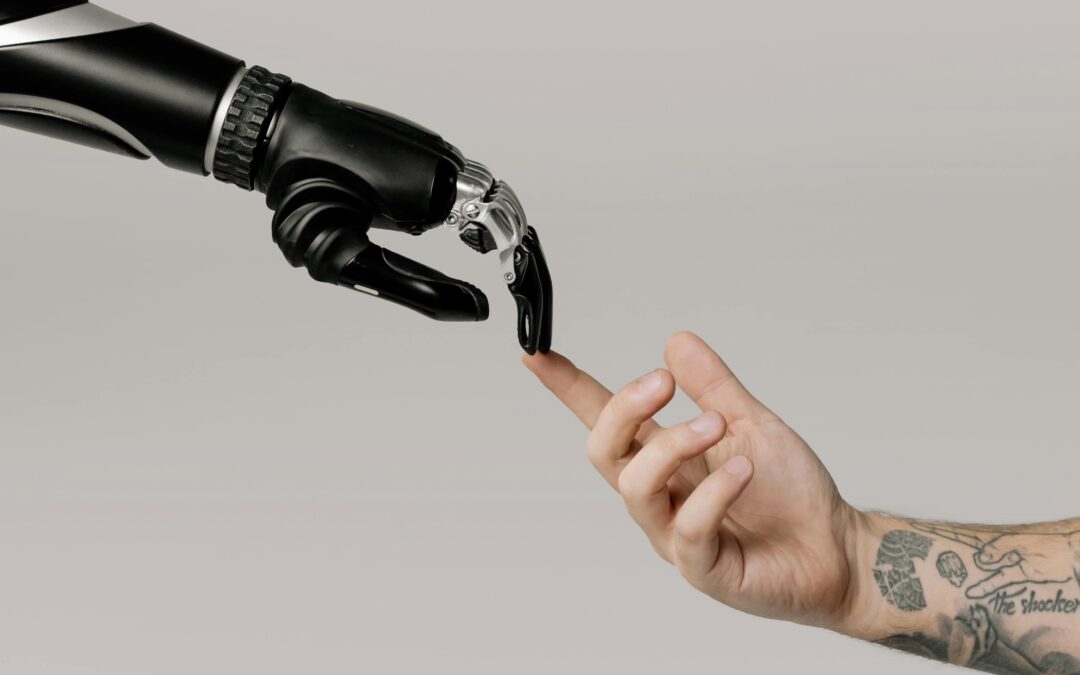
Technology is advancing rapidly, creating new opportunities to improve the lives of millions of people around the world. Among the most promising innovations is artificial intelligence (AI), which is revolutionizing the way deaf and hard-of-hearing individuals communicate and interact with the world around them.
Today, AI-powered tools can convert speech into text in real time, generate automatic captions during video calls, meetings, and events, and even assist with sign language translation. These technologies help increase independence and reduce many of the barriers that have historically limited access to information.
AI is also making a significant impact in education, allowing deaf students to follow classes through live transcription services. In the workplace, it facilitates participation in meetings, training sessions, and professional activities, promoting more inclusive environments.
While technology cannot replace the importance of human accessibility, education, and respect for diversity, it is proving to be a powerful tool for building a more inclusive society.
The future of accessibility depends not only on technological innovation but also on a collective commitment to creating opportunities for everyone to participate fully in social, educational, and professional life.
Artificial intelligence is showing that technology and inclusion can move forward together.